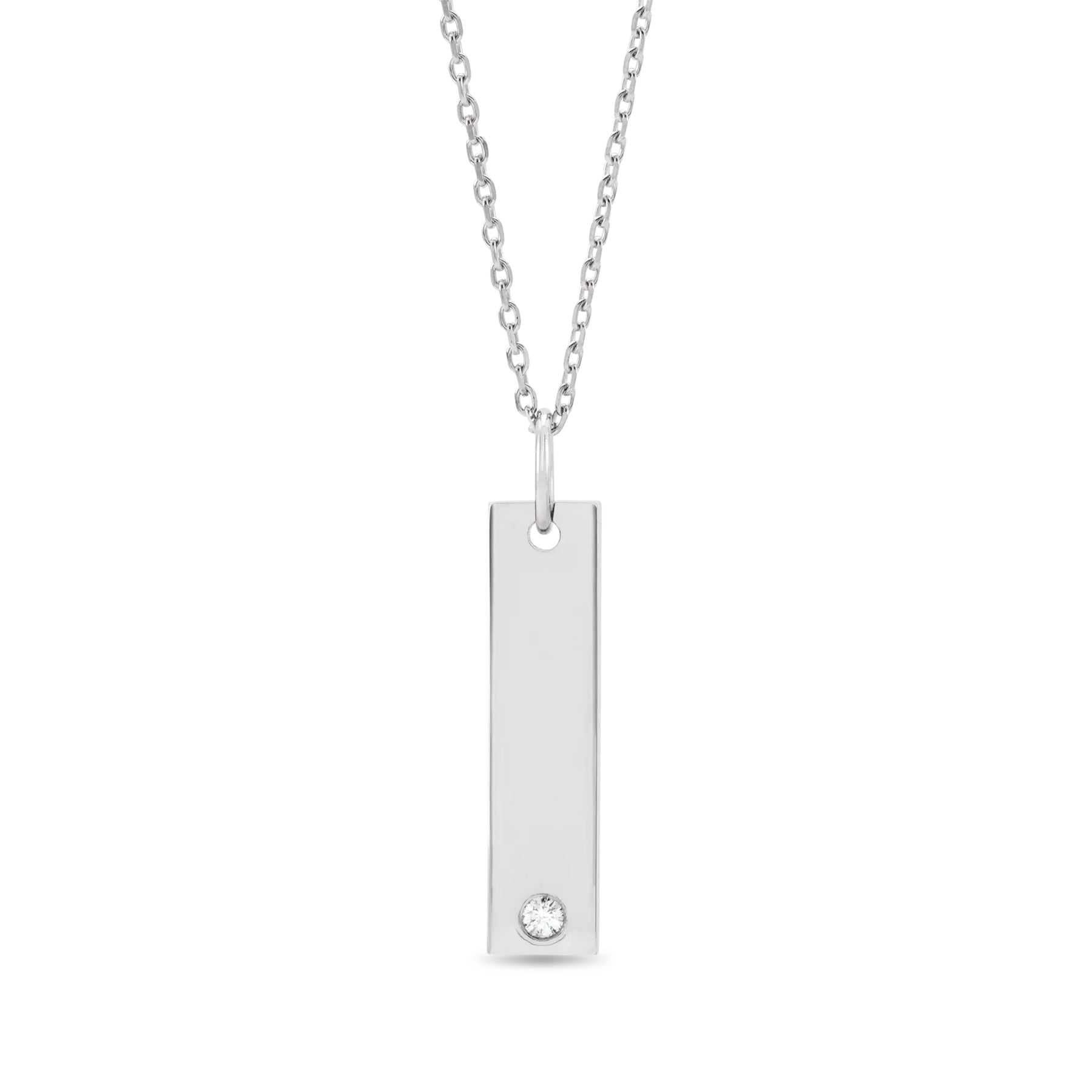


How to Clean and Care for Silver Jewelry: A Complete Guide
Sterling silver jewelry stays beautiful for decades when you know how to care for it properly.
To clean and care for silver jewelry effectively, follow these three practices: gentle daily maintenance with proper cleaning cloths, periodic tarnish removal using suitable cleaning methods, and protective storage. Tarnish forms naturally on silver, but it can be reversed entirely with the right techniques. Most pieces need deep cleaning only every few months, depending on the frequency of wear and how they’re stored. Daily maintenance with wipe-downs and polishing only takes a few seconds and prevents heavy buildup.
Quick Reference: When to Use Each Cleaning Method
- Daily wear (30 seconds): Microfiber cloth wipe + treated polishing cloth
- Light tarnish (5-10 minutes): Soap and water + polishing cloth
- Moderate tarnish (10-15 minutes): Cleaning solution + polish
- Heavy tarnish or gemstones: Professional cleaning recommended
Before You Begin: What You'll Need
Required Items
- Treated Sterling Silver Polishing Cloths – Made specifically for silver, these apply a protective micro-layer that slows tarnishing while removing light oxidation. Essential for daily maintenance and finishing after deep cleans.
- Microfiber Cloths – Ultra-soft material lifts oils and residue without scratching. Use these before polishing to avoid dragging particles across the surface.
- Mild Dish Soap & Warm Water – Standard cleaning for surface dirt and oils. "Warm" means comfortable to touch—around 100°F (38°C)—never hot.
- Soft Towel or Mat – Protects pieces from hard surfaces during cleaning and prevents damage from accidental drops.
Recommended Items
- Fine Jewelry Bath – Pre-formulated solution that removes residue more effectively than soap and water. Saves time when cleaning multiple pieces.
- Sterling Silver Cleaning Solution – Chemical tarnish removers that dissolve heavy oxidation in minutes. Select non-toxic, ammonia-free formulas specifically designed for silver jewelry.
- Anti-Tarnish Tabs – Reactive material that absorbs sulfur compounds from the air inside storage containers. One tab protects jewelry for 12 to 18 months.
- Soft Bristle Brush – Baby toothbrushes work well for reaching chain links and detailed areas without scratching.
- Resealable Pouches or Airtight Containers – Reduces air exposure that causes tarnishing. Zip-close bags work if purpose-made pouches aren't available. Best if combined with anti-tarnish tabs.
Understanding Tarnish: What It Is and Why It Happens
Sterling silver naturally reacts with sulfur compounds present in the air, forming silver sulfide on the surface, which the copper in sterling silver accelerates. This chemical reaction causes the darkening or yellowing commonly referred to as tarnish. It's not damage, corrosion, or deterioration. It's an easily reversible surface layer.
Several factors accelerate tarnish formation:
Environmental factors: Humidity creates conditions that allow sulfur compounds to react more readily with silver. Air pollution in urban areas contains higher sulfur levels. Even clean air in coastal regions carries salt particles that promote tarnishing.
Chemical exposure: Perfumes, lotions, hair products, household cleaners, and chlorine all accelerate tarnishing. Sweat contains sulfur compounds, which is why pieces worn during exercise tend to tarnish faster.
Material contact: Rubber, wool, and felt contain sulfur-based compounds or are treated with chemicals that react with silver. Even some storage boxes use rubber seals or treated fabrics that cause tarnishing.
The reversal process is straightforward: physically removing the tarnish layer or chemically converting silver sulfide back to pure silver. Both methods are safe when done correctly. The key to easy maintenance is preventing heavy tarnish from forming through consistent light care.
Everyday Care Routine for Sterling Silver Jewelry
Consistent light maintenance is the best way to prevent the need for aggressive cleaning. These habits require minimal time but significantly help preserve the brightness of your jewelry.
Important Note: If Your Silver Is Plated
Some sterling silver jewelry has rhodium plating or clear protective coatings applied during the manufacturing process. These thin layers block tarnishing but wear away over time, especially with repeated surface friction from skin or polishing cloths. If your silver is plated, you’ll want to be gentle and use only a soft, untreated microfiber cloth for cleaning. Avoid polishing compounds, treated polishing cloths, and chemical solutions. Jewelry bath solutions designed for fine jewelry are generally fine, but read the label first.
Liam & Avery offers only unplated sterling silver jewelry, so these techniques are safe for any of our pieces.
When You First Receive New Silver Jewelry
Before wearing a new piece of jewelry, gently buff the entire surface with a treated polishing cloth. This applies an invisible protective layer that slows down the formation of tarnish. Think of it as priming your silver. The coating helps it resist environmental factors from the start. This single step can extend the time between deep cleanings.
After Each Wear: The Two-Cloth Method
Proper after-wear care should be performed in two stages, and the order is important.
First, if the jewelry has come into contact with dirt, lotions, makeup, or sticky substances, wash it with warm water and a small amount of mild soap. Pat the item completely dry with a microfiber cloth. This prevents particles from scratching the surface during the next step. If the item is generally clean, you can skip ahead.
Second, start with a clean microfiber cloth. Wipe the entire piece to remove oils, moisture, and invisible residue from skin contact and air exposure. This cloth should be used to touch the jewelry first, as it's designed to trap particles safely.
Third, follow with a treated polishing cloth, using light pressure and straight strokes. This refreshes the protective layer and removes any early-stage tarnishing before it becomes visible. The combination—first cleaning, then protecting—reduces surface scratching and keeps the silver consistently bright between deep cleanings.
Critical reminder: Always verify your cleaning cloths are clean. A cloth with embedded dirt particles scratches silver just as easily as dirty jewelry. When microfiber cloths look dingy or feel rough, wash them. When polishing cloths turn completely black, replace them.
Weekly Inspection and Spot Maintenance
Once weekly, examine your pieces under good lighting. Look for:
- Dullness in recessed areas where cloths don't reach easily
- Slight yellowing or gray tones developing on the surface
- Buildup around stone settings or chain links
Address these early signs immediately with a quick polish or gentle cleaning. Catching tarnish when it's barely visible means a 10-second fix instead of a 15-minute deep clean later. This inspection habit is the single most effective way to minimize maintenance time over your jewelry's lifetime.
How to Clean Silver Jewelry: Step-by-Step Method
Even with excellent daily care, sterling silver eventually needs thorough cleaning. Use these methods in order. Start with the gentlest approach and proceed to more advanced levels only if needed.
Recognizing When Your Silver Needs Cleaning
Clean your silver jewelry when you observe:
- Visible tarnish that remains after polishing with a cloth
- Darkening or yellowing that appears as an even film or in spots
- Dullness that doesn't respond to normal maintenance polishing
- Residue or buildup that feels sticky or gritty
- Loss of the bright, reflective surface quality
For pieces worn daily, deep cleaning typically becomes necessary every 2-4 months, depending on environmental conditions. Stored pieces may require cleaning only once or twice a year, or when they are removed from storage.
Level 1: Gentle Surface Cleaning (5-10 minutes)
This method removes surface dirt and oils but doesn't address tarnish. Use it for jewelry that's dirty rather than tarnished.
Step 1
Fill a small bowl with warm water (comfortable to touch, around 100°F). Add 2-3 drops of mild dish soap—avoid moisturizing or antibacterial varieties, as they can leave residue. Alternatively, use a fine jewelry bath according to the product instructions.
Step 2
Place your jewelry in the solution and let it sit for 2-3 minutes. Use your fingers or a soft cloth to gently wipe all surfaces, paying special attention to areas where lotions and oils tend to accumulate, such as the inside of rings, behind stone settings, and chain links.
For detailed areas, use a soft-bristled brush with gentle circular motions. Don't scrub aggressively. Let the soap do the work.
Step 3
Rinse thoroughly under clean, warm running water. Ensure all soap residue is removed, as leftover soap can dull silver. Pat completely dry with a soft microfiber towel. Any remaining moisture can cause spotting or accelerate the formation of new tarnish.
Result: Clean, oil and residue-free silver. If brightness returns and the piece looks like new, wipe it down with a treated polishing cloth, and you're done. If you still see tarnish, proceed to Level 2.
Level 2: Polish with Treated Cloth (5 minutes)
Before using chemical solutions, try to remove tarnish mechanically through polishing with a treated silver polishing cloth. This gentler approach often succeeds with light to moderate tarnish.
Step 1
Use a treated polishing cloth, which contains compounds that remove tarnish while protecting the silver. Work in a well-lit area so you can see your progress.
Step 2
Hold the jewelry firmly but gently. Using straight, consistent strokes—not circular motions—rub the tarnished areas with light to moderate pressure. The cloth will turn black or gray as it lifts tarnish. This is normal and indicates the process is working.
For chains, run the cloth along the length, supporting the chain as you go. For detailed items, fold the cloth to create a point that reaches into crevices.
Step 3
Continue until the tarnish lifts and a bright silver appearance is visible, or until the cloth no longer produces visible improvement. Some stubborn tarnish may not respond to polishing alone.
Result: Many pieces will return to full brightness at this stage. If polishing reveals bright silver underneath all tarnished areas, finish by buffing the entire piece to achieve an even luster. If heavy tarnish remains, proceed to Level 3.
Level 3: Deep Tarnish Removal with Cleaning Solution (10-15 minutes)
Chemical tarnish removers dissolve heavy oxidation or hard-to-reach areas that hand polishing can't remove. Use this method occasionally when needed, not as routine maintenance. Overexposure to tarnish-removing solutions may cause dulling over time.
We recommend using complete silver cleaning kits rather than standalone solutions. These kits include everything you need: a container (typically a glass jar), a mesh basket or tray to hold jewelry, and a concentrated cleaning solution. You simply add water according to the kit's instructions—no need to source separate containers or worry about using reactive materials.
Complete kits offer several advantages: the included container is the correct size and material, the basket keeps jewelry suspended so the solution reaches all surfaces, and measurements are clearly marked for proper dilution.
Step 1
Read the kit's instructions completely before starting. Different formulas have varying immersion times and dilution ratios.
Step 2
Prepare the solution according to package directions. Most require adding the concentrated formula to warm water in the provided container. Mix gently to combine.
Step 3
Place your jewelry in the mesh basket or tray, then lower it into the solution. Ensure pieces don't overlap and the solution covers them completely. Most formulas work in 1-5 minutes. Set a timer to prevent overexposure.
Watch the tarnish dissolve and lift away as the solution works. For intricate designs, you can gently agitate the basket or use a soft brush to help the solution reach detailed areas.
Step 4
When the tarnish is gone or the timer expires, lift the basket out immediately. Never leave silver in cleaning solutions longer than instructed. Overexposure can cause discoloration or surface dulling.
Step 5
Rinse the jewelry thoroughly under running warm water for at least 30 seconds, ensuring all chemical residue is removed. Residual solution can cause spotting, film, or continued chemical action. Dry completely with a soft microfiber towel, paying special attention to crevices where water tends to collect.
Result: The silver should now be bright and free of all tarnish. If any tarnish remains in deeply recessed areas, you can repeat the process or consider professional cleaning for particularly stubborn oxidation. Always polish your item with a treated polishing cloth afterwards to inhibit tarnishing. Some kits will include these.
Kit Maintenance: After use, follow the manufacturer's instructions. Most solutions can be reused several times before losing effectiveness.
How to Store Sterling Silver Jewelry
Storage conditions directly affect tarnishing speed. Proper silver jewelry storage can reduce cleaning frequency by 50% or more.
Optimal Silver Jewelry Storage Practices
Individual protection in airtight environments: Store each piece separately in its own sealed container. This can be a soft pouch, an anti-tarnish bag, or individual compartments in an airtight jewelry box. This two-layer approach accomplishes multiple goals: prevents scratching from metal-on-metal contact, reduces air exposure that causes tarnishing, and creates a protected micro-environment around each piece.
If you don't have purpose-made jewelry storage, simple resealable plastic bags work effectively but should only be used with anti-tarnish tabs. Place each piece in a soft cloth or small pouch first, add an anti-tarnish tab, and then seal it in the bag, removing as much air as possible.
Anti-tarnish tabs: Place Anti-Tarnish Tabs inside storage containers. These treated materials actively absorb sulfur compounds from the air, creating a protected environment. One tab typically protects a jewelry box or drawer for 12-18 months.
Climate control: Store silver in cool, dry locations. Ideal conditions are 60-75°F with humidity below 50%. Consistent temperature matters more than the specific degree, so it is best to avoid storing your silver jewelry in areas with temperature fluctuations.
What to Avoid When Storing Silver Jewelry
High-humidity locations: Bathrooms, basements, and areas near water sources accelerate tarnishing significantly. Even closed containers may not fully protect against extreme humidity.
Reactive materials: Never store silver in direct contact with rubber bands, wool, felt, newspaper, or cardboard. These materials contain sulfur or chemicals that cause rapid tarnishing. If your jewelry box has rubber seals or felt lining, place silver in protective bags first and use anti-tarnish tabs.
Treated fabrics: Some storage boxes use treated fabrics intended to protect other materials, but these can harm silver. When purchasing storage, verify it's specifically designed for sterling silver or precious metals.
Open-air displays: While beautiful, open jewelry stands expose silver to maximum air contact, resulting in constant tarnishing. If you prefer visible storage, be sure to polish each item thoroughly with a treated sterling silver polishing cloth before storing. You will need to polish your pieces more frequently, but the treated polishing cloths will slow the process.
Temperature extremes: Attics, garages, and areas near heating vents are susceptible to significant temperature swings, which can promote tarnishing and potentially loosen stone settings over time.
Preventing Tarnish During Wear
Beyond storage and cleaning, your wearing habits affect how quickly silver tarnishes.
Counterintuitively, silver that is frequently worn can often tarnish more slowly than silver that is stored, depending on your environment and lifestyle. The friction and contact from regular wear can help remove early-stage tarnish before it becomes visible.
Timing matters: Apply perfumes, lotions, hair products, and sunscreen before putting on jewelry. Allow them to dry or absorb completely, usually around 5-10 minutes. These products may contain chemicals that accelerate tarnishing and can cause discoloration.
Remove for activities: Take off your silver jewelry before swimming (chlorine), exercising (sweat and sulfur compounds), cleaning (household chemicals), or showering (soap residue and water exposure). These activities, which are easy to avoid, expose silver to additional factors that can cause tarnishing.
Clean after high-exposure events: If your jewelry contacts perfume, gets caught in rain, or experiences heavy wear during an event, clean it that same day rather than waiting for your normal schedule.
Special Care Considerations for Silver Jewelry
Different types of silver jewelry may need special attention to prevent damage while cleaning. When in doubt, we strongly recommend
Caring for Silver Jewelry with Gemstones
Gemstone-set pieces require gentler methods because many stones are sensitive to chemicals, heat, prolonged water exposure, or ultrasonic cleaning. The wrong approach can cause cracks, discoloration, or loosening of stones. Some jewelry cleaners are safe to use with most gemstones, but thoroughly read the instructions and warnings before use.
Soft and porous stones (pearls, opals, turquoise, coral, amber): These absorb chemicals and water, which can cause permanent damage, discoloration, or structural weakening. Clean only with a barely damp cloth, wiping gently. Never immerse them in water or cleaning solutions. Dry immediately after any moisture contact.
Organic gems (pearls, amber, coral, jet): These are particularly vulnerable to acids, including mild ones in some soaps. Use only water, applying with a cloth rather than immersion. Handle minimally during cleaning. Amber, specifically, is highly sensitive and should be cleaned with additional care.
Treated or enhanced stones (emeralds, rubies, some sapphires): Many gems receive treatments that make them vulnerable to chemicals or temperature changes. Emeralds, for instance, often have fracture-filling that cleaning solutions dissolve. Use only gentle soap and water at room temperature.
General gemstone guidelines:
- Research any unfamiliar stone before cleaning
- Use mild soap and lukewarm water or fine jewelry cleaner for most durable stones (diamonds, sapphires, most quartz varieties)
- Clean around, not on, the stone surface
- Never soak for more than 5 minutes (includes suitable stones only)
- Dry thoroughly, checking that no moisture remains under settings where it can trap and cause oxidation
- If uncertain about a stone's durability, skip home cleaning and consult a professional
Setting concerns: Cleaning solutions and even water can loosen prong settings or adhesives, especially with sterling silver, which is less hard than gold and titanium. After cleaning gemstone jewelry, inspect all settings under good lighting. Stones that move slightly or seem raised need professional attention before wearing.
Oxidized and Antiqued Silver Finishes
Oxidized silver features intentionally darkened areas that create visual depth and contrast in designs. This black or dark gray patina is applied deliberately through chemical treatment and is part of the aesthetic; it is not considered tarnish and should not be removed.
However, standard tarnish removal methods cannot distinguish between intentional oxidation and unwanted tarnish—they'll remove both, destroying the piece's intended appearance.
Cleaning oxidized silver:
Use only a soft, untreated microfiber cloth for routine cleaning. Wipe gently, focusing on raised or bright areas where natural oils accumulate. The darkened recessed areas should remain untouched.
If raised areas develop tarnish, you can carefully polish only those surfaces using an extremely light touch with a treated cloth. Work slowly and stop frequently to check your progress. The goal is to remove tarnish from bright areas without disturbing the oxidized recesses.
Never use:
- Polishing cloths on oxidized areas (treated or not)
- Chemical cleaning solutions anywhere on the piece
- Abrasive materials or brushes
- Ultrasonic cleaners
Restoration: If oxidation wears away over time or gets accidentally removed, it can be professionally reapplied by a qualified jeweler.
Common DIY Mistakes That Can Damage Silver Jewelry
Several popular "home remedy" cleaning methods actually harm sterling silver. Avoid these approaches:
Baking soda paste: Baking soda has an abrasive texture that creates microscopic scratches on the surface. While it may remove tarnish initially, repeated use dulls the surface permanently through accumulated scratching. The damage is subtle but cumulative.
Toothpaste: Even more abrasive than baking soda, toothpaste is designed to scrub tooth enamel, which is much harder than sterling silver. Using it on jewelry creates obvious scratching and ruins polished finishes quickly.
Aluminum foil and baking soda baths: This chemical reaction (using an electrolyte solution) does remove tarnish, but it also strips the natural patina that gives silver character and depth. The result is flat, overly bright silver that looks artificial. It can also cause pitting on the surface over time.
Harsh chemicals: Never expose silver to bleach, ammonia, chlorine, acetone, or strong household cleaners. These chemicals cause discoloration, pitting, and in some cases, permanent damage that cannot be reversed.
Ultrasonic cleaners at home: Professional ultrasonic cleaners are safe for certain types of jewelry, but home models often lack proper settings and can damage stones, loosen settings, or cause stress fractures in metal. Delicate chains, hollow pieces, and gemstone jewelry should never go in ultrasonic cleaners.
Troubleshooting Common Silver Care Problems
Black residue on polishing cloth: This is completely normal. The black material is tarnish (silver sulfide) being removed from your jewelry and transferred to the cloth. It's evidence that the polishing is working. When polishing cloths become heavily saturated and stop being effective, replace them.
Tarnish returns within days: Rapid re-tarnishing usually indicates an environmental issue. Review your storage. Is the jewelry exposed to humidity, stored near rubber or wool, or kept in a treated fabric box? Address the root cause by improving storage conditions and adding anti-tarnish tabs. Also, consider whether you're applying lotions or perfumes after putting on your jewelry.
Uneven tarnish or spotting: This pattern occurs due to contact with specific substances. Common culprits include hand lotion (rings), perfume (necklaces), or household cleaners. The solution is twofold: clean thoroughly to remove all residue, then adjust your wearing habits to apply products before jewelry and let them dry completely.
Green discoloration on skin: This isn't tarnish, but a reaction between the copper in the sterling alloy and the acidity, moisture, or lotion on the skin. It's harmless and varies by individual body chemistry. To minimize it: keep jewelry clean and dry and avoid wearing during exercise or in humid conditions.
Dark spots that won't clean: If spots remain after proper cleaning with solution, they may be: (1) intentional oxidation that should be preserved, (2) pitting from chemical damage, or (3) staining from a stone or coating. Consult a jeweler for assessment. Some issues can be resolved through professional polishing, while others may be the result of permanent damage.
Scratches on surface: Fine scratches are normal with wear and add character to silver over time. A professional jeweler may be able to address deep scratches. Prevent future scratching through proper storage (separated pieces), gentle handling, and clean polishing cloths.
Stones look cloudy after cleaning: This indicates either: (1) cleaning solution residue trapped under the setting, (2) water spots that need additional drying, (3) damage to the stone's surface from inappropriate cleaning, or (4) natural inclusions in the stone now visible due to the cleaner silver setting providing more light. Rinse extremely thoroughly, dry completely, and consult a jeweler if cloudiness persists.
Silver lost its shine permanently: True permanent dullness—not responsive to proper polishing—usually results from years of aggressive cleaning with abrasives (such as baking soda or toothpaste) that create dense microscopic scratches. A professional jeweler may restore it through a complete refinishing process, which removes the damaged surface layer.
When to Seek Professional Cleaning for Silver Jewelry
Professional cleaning is appropriate in several situations:
Gemstone-set jewelry: If your piece contains any gemstones—particularly valuable, delicate, or unfamiliar ones—professional cleaning ensures both the silver and stones receive appropriate care. Jewelers know which methods are best suited for specific gems.
Intricate oxidized designs: When oxidation is part of the design, professionals can clean the bright areas while preserving the dark patina precisely. Their specialized tools access details without disturbing the intended finish.
Valuable or sentimental pieces: For jewelry with significant monetary or emotional value, the cost of professional cleaning is worth the peace of mind. Professionals have insurance and expertise that protect irreplaceable items.
Inherited or antique silver: Older pieces may have been treated with techniques no longer used, have hidden damage, or feature materials you can't identify. A professional assessment before cleaning helps prevent accidental damage to historical or valuable jewelry.
Heavy tarnish on complex pieces: While cleaning solutions handle heavy tarnish on simple pieces, complex designs with many crevices and details clean more effectively and safely in professional hands. Jewelers use commercial-grade ultrasonic cleaners that can be adjusted based on the item, and that reach every surface without harsh scrubbing.
Structural concerns: If you notice loose stones, bent prongs, worn clasps, or other structural issues, professional cleaning can coincide with addressing any necessary repairs. Most jewelers inspect the jewelry as they clean, identifying problems before they result in lost stones or broken pieces.
When home cleaning doesn't work: If you've attempted appropriate cleaning methods and tarnish persists, professionals have access to stronger solutions and tools that can address stubborn issues safely.
Cost considerations: Professional silver cleaning typically costs between $25 and $100 per piece, depending on the piece's complexity. Given the time investment and risk of damage from improper home cleaning, professional service often represents good value for complex or valuable pieces.
Frequently Asked Questions About Silver Jewelry Care
Q: How often should I clean my sterling silver jewelry?
A: Deep cleaning frequency depends on wear and environment. With daily light polishing, most pieces need thorough cleaning every 2-4 months. Jewelry worn in humid climates or exposed to perfumes and lotions may need monthly cleaning. Properly stored pieces typically require cleaning only once or twice a year. Let appearance guide you—clean when polishing alone doesn't restore brightness.
Q: Can I wear sterling silver jewelry in water?
A: Sterling silver can get wet without damage, but prolonged water exposure accelerates tarnishing. Chlorinated water (pools, hot tubs) and salt water are particularly problematic. Remove silver jewelry before swimming, bathing, or doing dishes. If jewelry does get wet, dry it thoroughly as soon as possible.
Q: Will polishing cloths scratch my silver?
A: Quality polishing cloths designed for sterling silver are non-abrasive and safe for daily use when used with appropriate pressure. Apply light to moderate pressure. You're guiding the cloth, not scrubbing aggressively. Scratches usually result from embedded particles in the cloth or jewelry, not from the cloth itself. Always ensure both cloth and jewelry are clean before polishing. Paper towels, tissues, and rough fabrics should never be used to clean or polish silver, as they can damage the surface.
Q: Is tarnish harmful to sterling silver or my skin?
A: Tarnish is not harmful in either direction. It doesn't damage the underlying silver. It's a surface layer that forms and removes without affecting the metal's integrity. Tarnish also doesn't harm skin, though some people find the appearance unappealing. The only "damage" from tarnish is cosmetic. However, the substances that cause tarnish (sulfur compounds, moisture, chemicals) can gradually cause issues if jewelry remains heavily tarnished and unworn for years, as the oxidation can eventually penetrate more deeply.
Q: Can I prevent my silver from tarnishing completely?
A: Complete prevention isn't possible. Silver naturally reacts with sulfur in the air. However, you can dramatically slow tarnishing through proper storage (airtight containers with anti-tarnish tabs), avoiding exposure to chemicals and humidity, and regular gentle polishing. These practices can reduce tarnishing by 70-80%, extending time between cleanings from weeks to months. Interestingly, wearing silver jewelry frequently helps. Some silver jewelry is available in tarnish-resistant alloys. These alloys are still considered sterling silver, but they replace most of the copper with other precious metals. They require far less maintenance and are an excellent alternative, but they are not as widely used as traditional sterling silver.
 Back to Guides


From the blog
View all